Unitree Robotics, 2026

When should a robot step in?

Three projects I worked on at Unitree.
Industrial design · HRI research
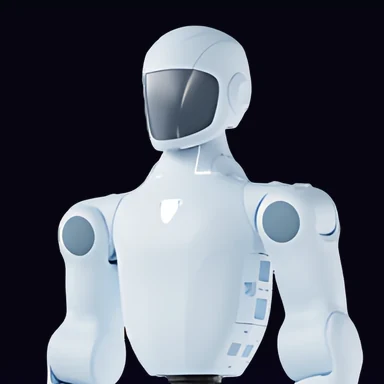
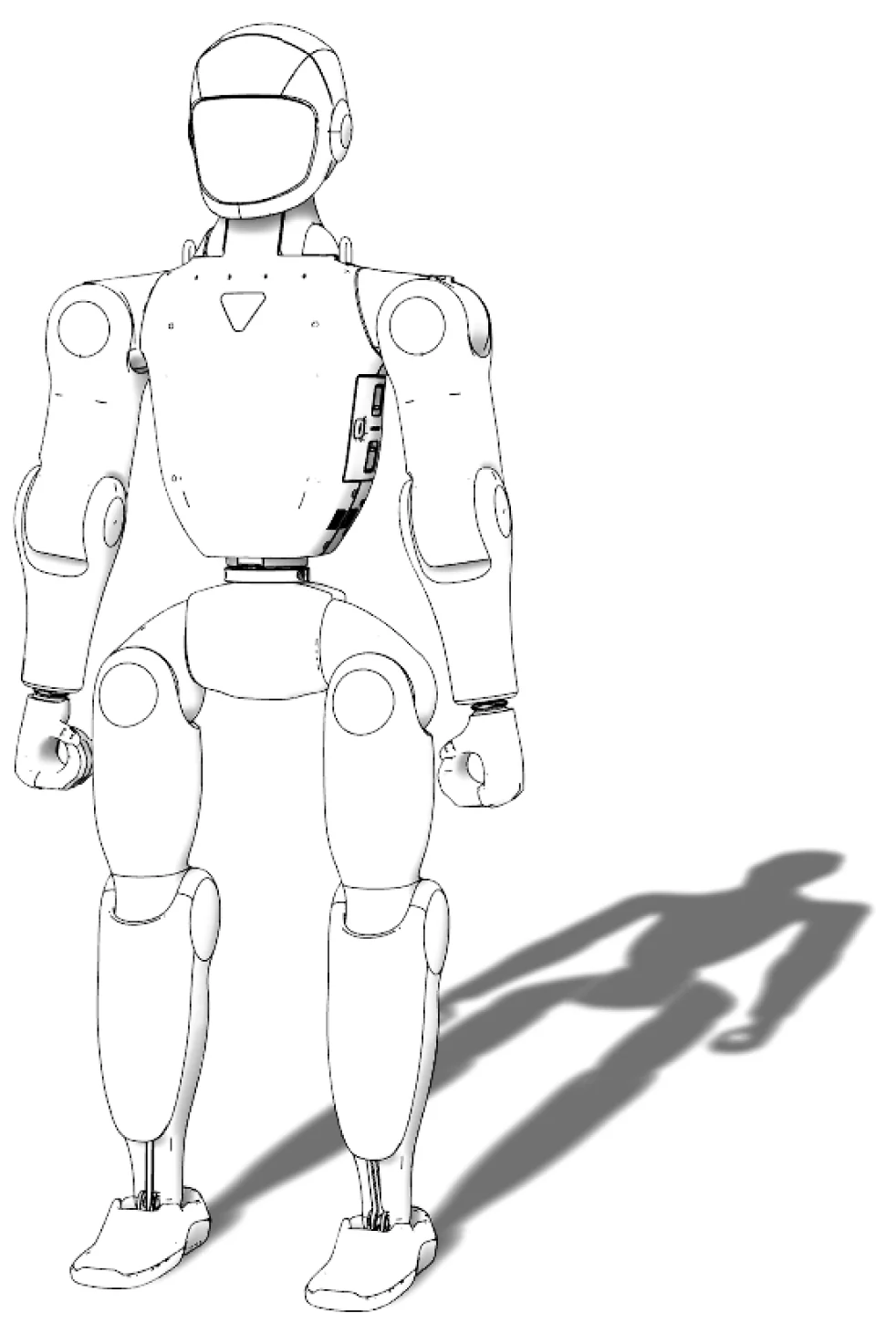
RD95, three-quarter render

01 · Making

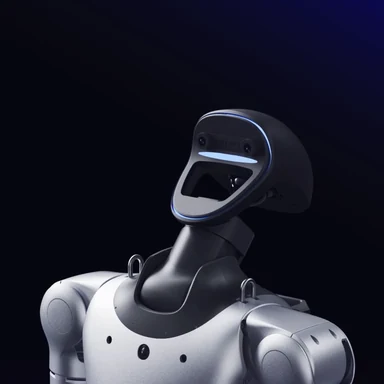
G1 could not turn its head

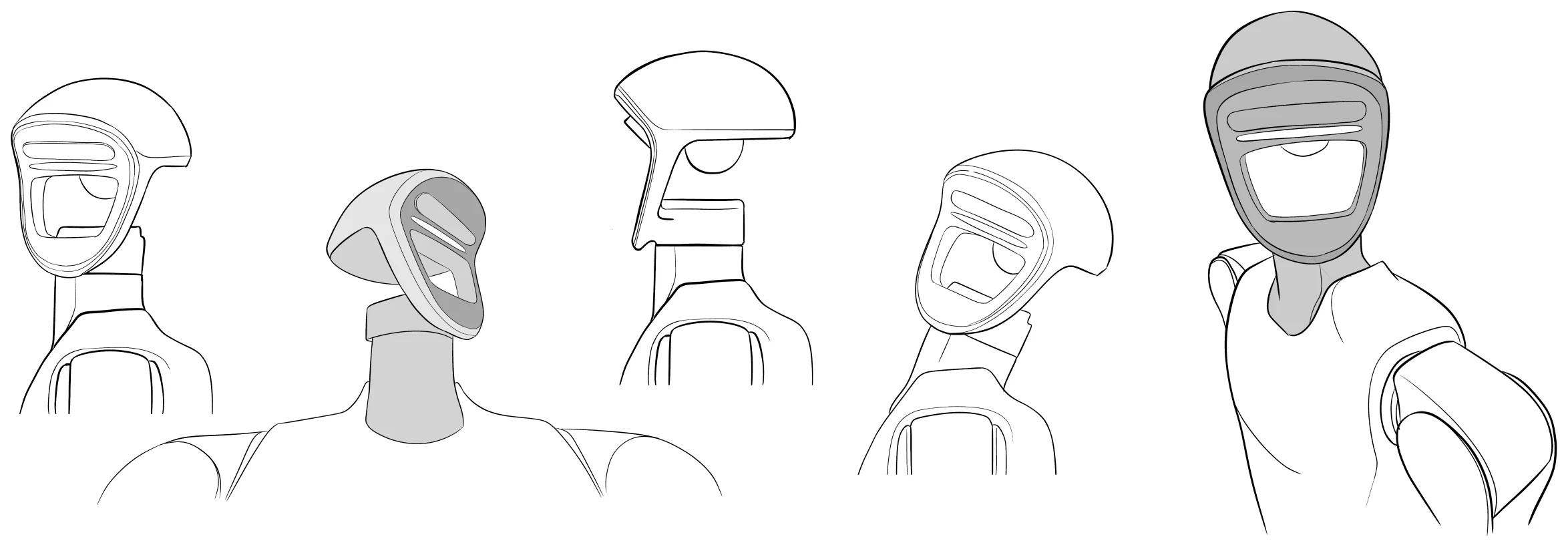
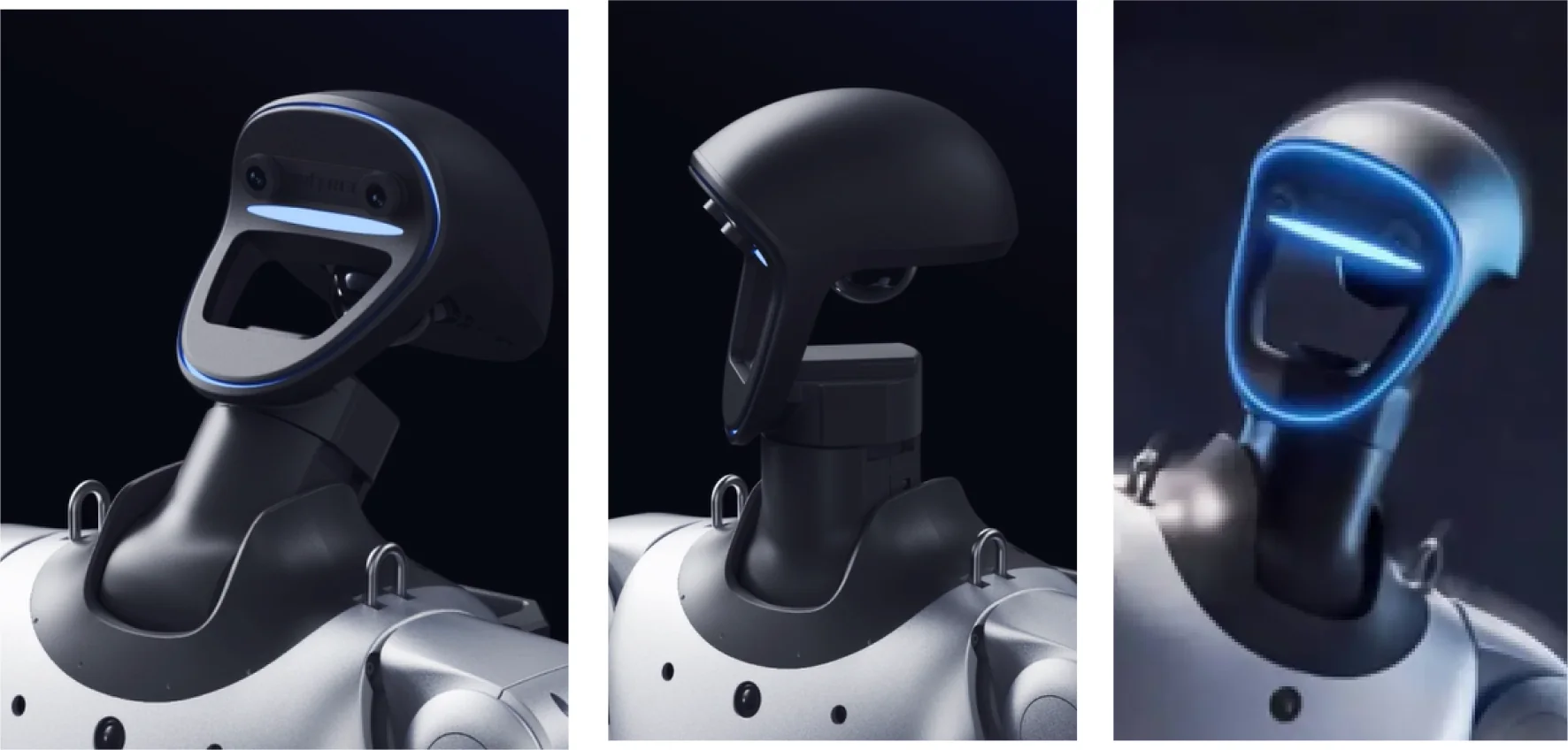
G1 had no neck joint, so it turned its whole body to look at something. I designed a two-joint neck that turns and nods, and proposed a friendlier finish for the head. Unitree now sells it as G1+.

Head and neck sketches for G1
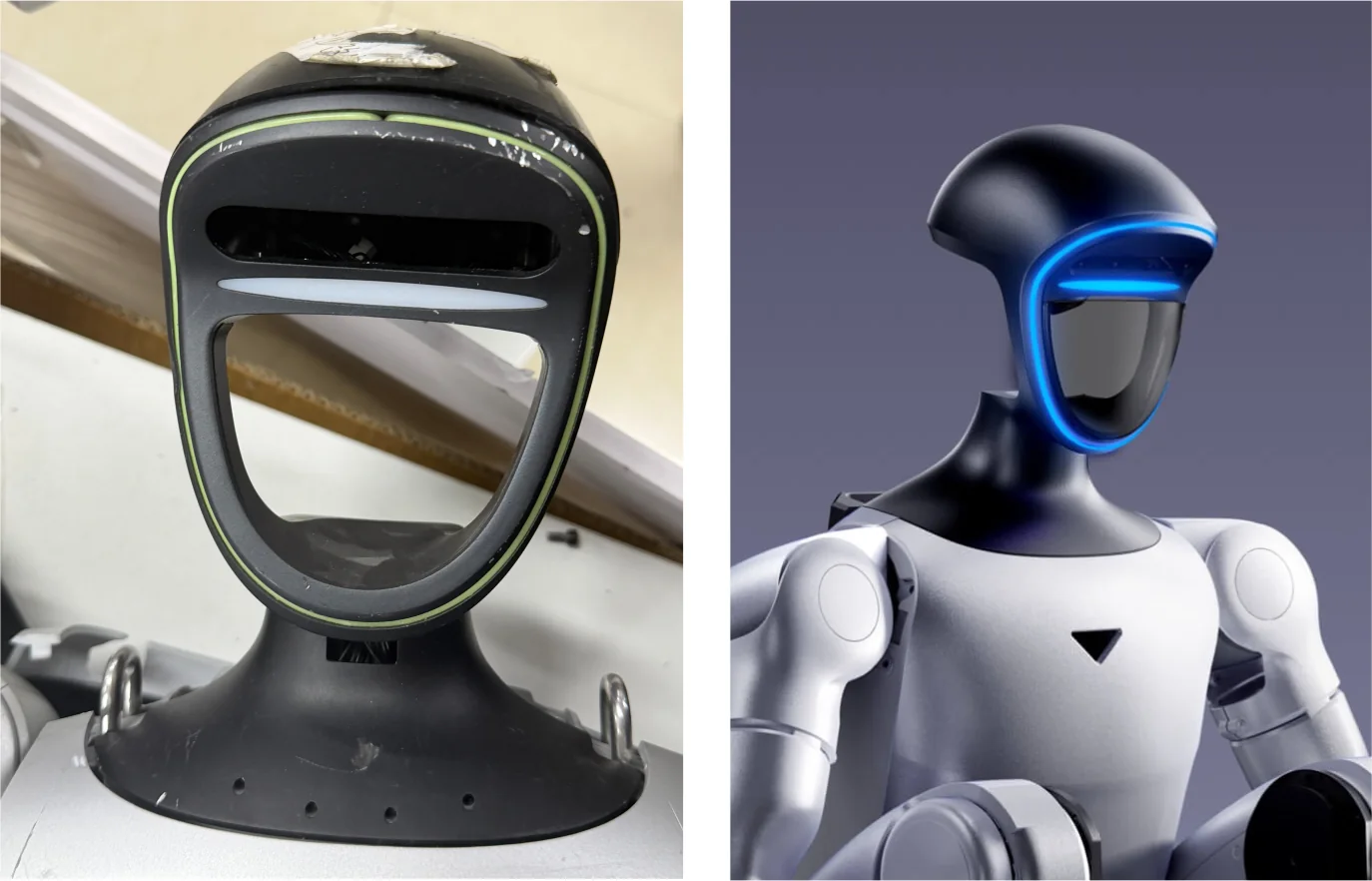
The original G1 head
Before
The new G1 head and neck
After

G1+, on sale since September 2026

+2 joints

Turns ±110°, nods −25° to 36°

02 · Research

What a moving head changes

Four findings from seven studies with 264 people, without the head movement → with it.

Looks at the person

12.8 → 19.7times people looked back

Nods in reply

21% → 42%how often people nodded back

Looks at the handover spot

2.54 s → 1.91 suntil people reached for the object

Looks away while thinking

330 ms → 608 msbefore people interrupted it

Sources

Sidner et al. 2005 and 2006 · Breazeal et al. 2005 · Mutlu et al. 2006 · Boucher et al. 2012 · Moon et al. 2014 · Andrist et al. 2014

“You have more information than I do. Do you have of any complete HRI models we could directly apply to our design at this stage?”

Unitree’s industrial design lead

Instead of a complete model, I worked from findings like these, and proposed a head turn before every move in RD95.

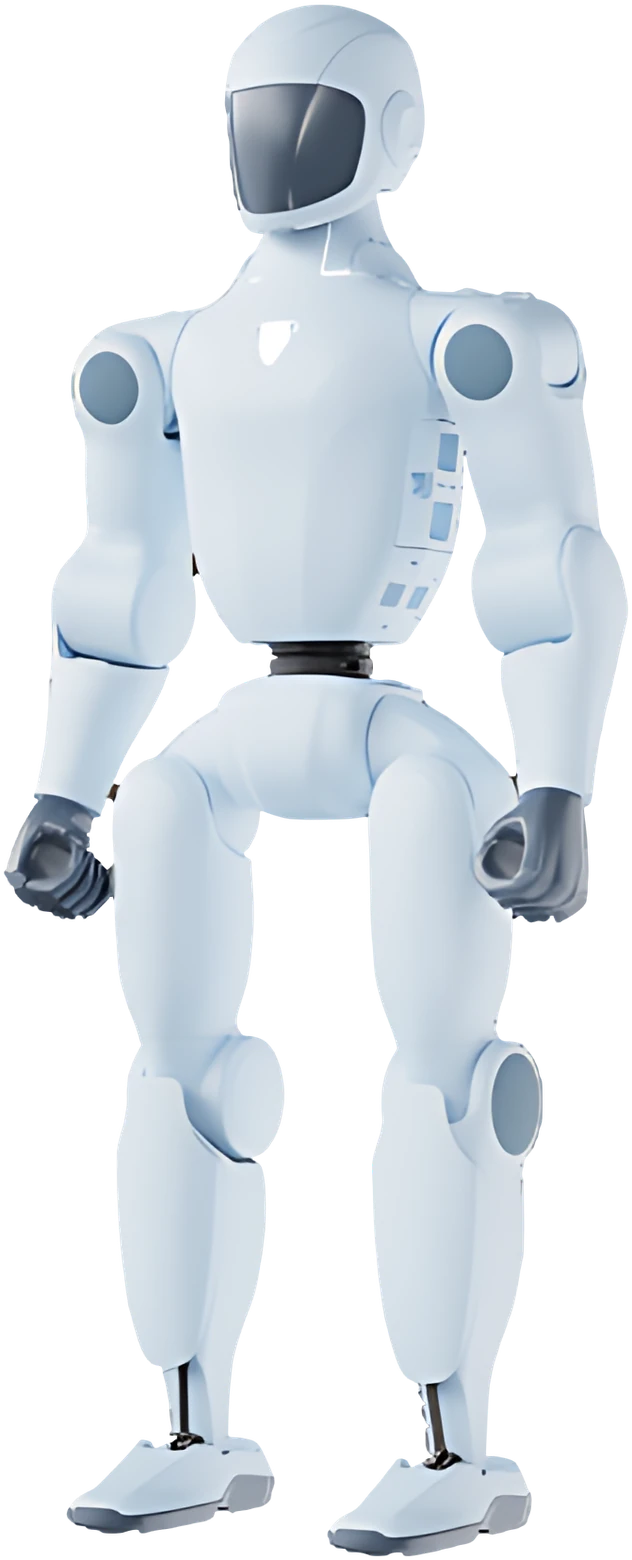
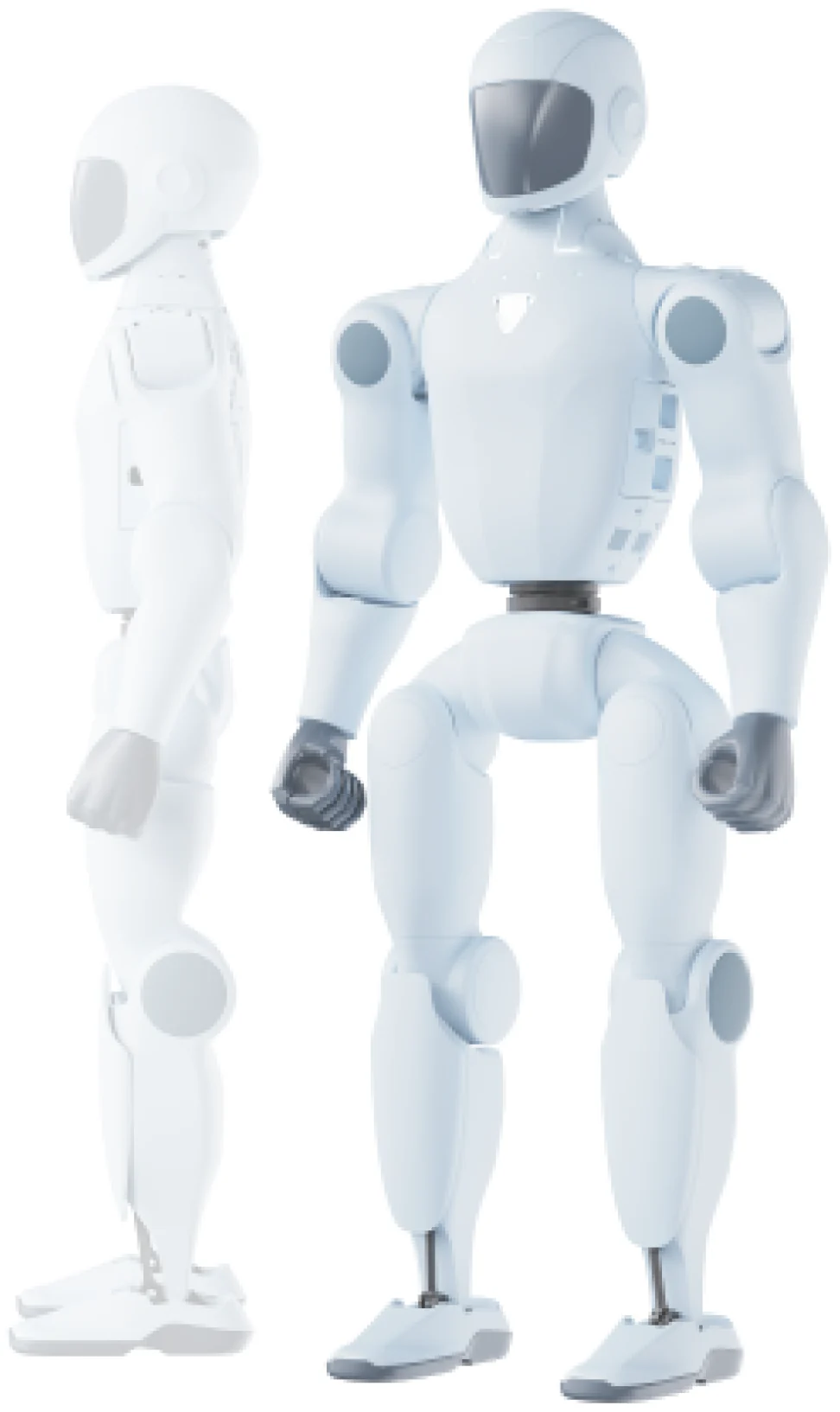
RD95, front and side renders

03 · Making

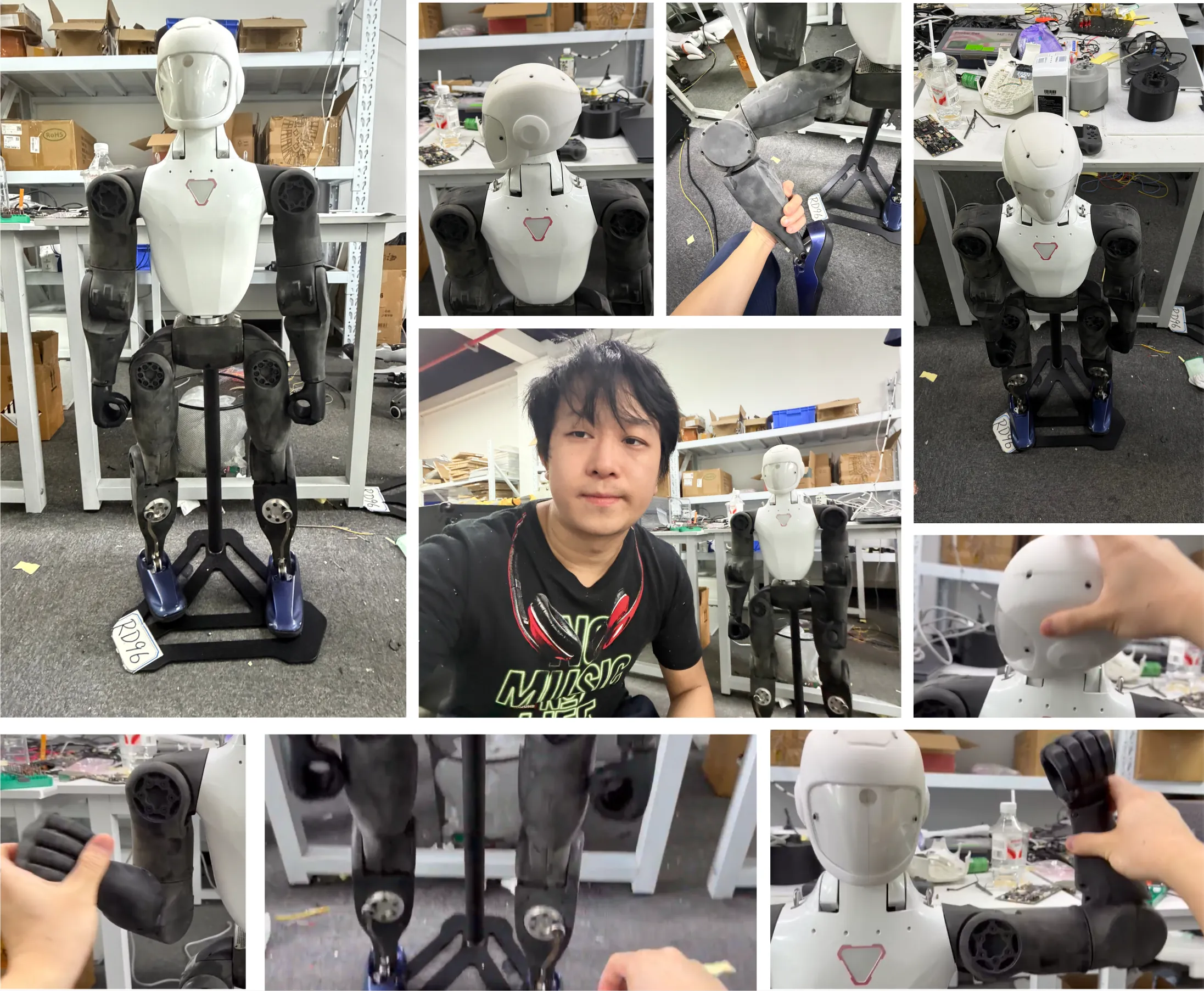
RD95, a small humanoid for the home

A humanoid just under a meter tall, for everyday jobs at home: fetching, cleaning, clearing up after meals. I led its industrial design, from first sketches to a pre-production prototype.

In my proposal, it starts a job only when asked and turns its head toward the task before every move, so you can stop it.

04 · Research

A day with RD95

Twenty-one older adults preferred a robot for chores and a person for care, meals and company (Smarr et al. 2014). Those ratings set how RD95 handles each job. Tap one to see what it does and why.

Wait for me

A day with RD95

  • Wait for me
  • Show me first
  • While you sleep

No job scored 4 of 5 or higher, so RD95 never starts one on its own.

Designed to move around you

  1. Lookhead toward the task
  2. Turnthen the body
  3. Pausetwo seconds to say no
  4. Come closefrom the side
  5. Hand overwithin your reach
  6. Show statuswith a light

None of the 237 papers I reviewed tested whether people can stop a humanoid that signals its next move first.

My hypothesis: a robot that signals its next move is easier to stop.

Sources

Smarr et al. 2014 · American Time Use Survey 2025 · each finding’s source is on its card. Full research board

05 · Making

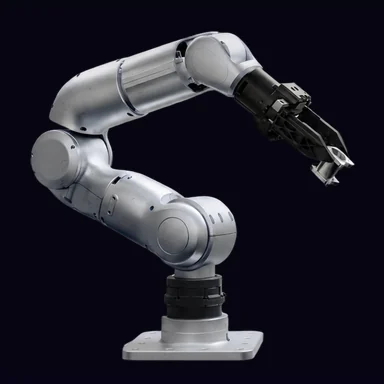
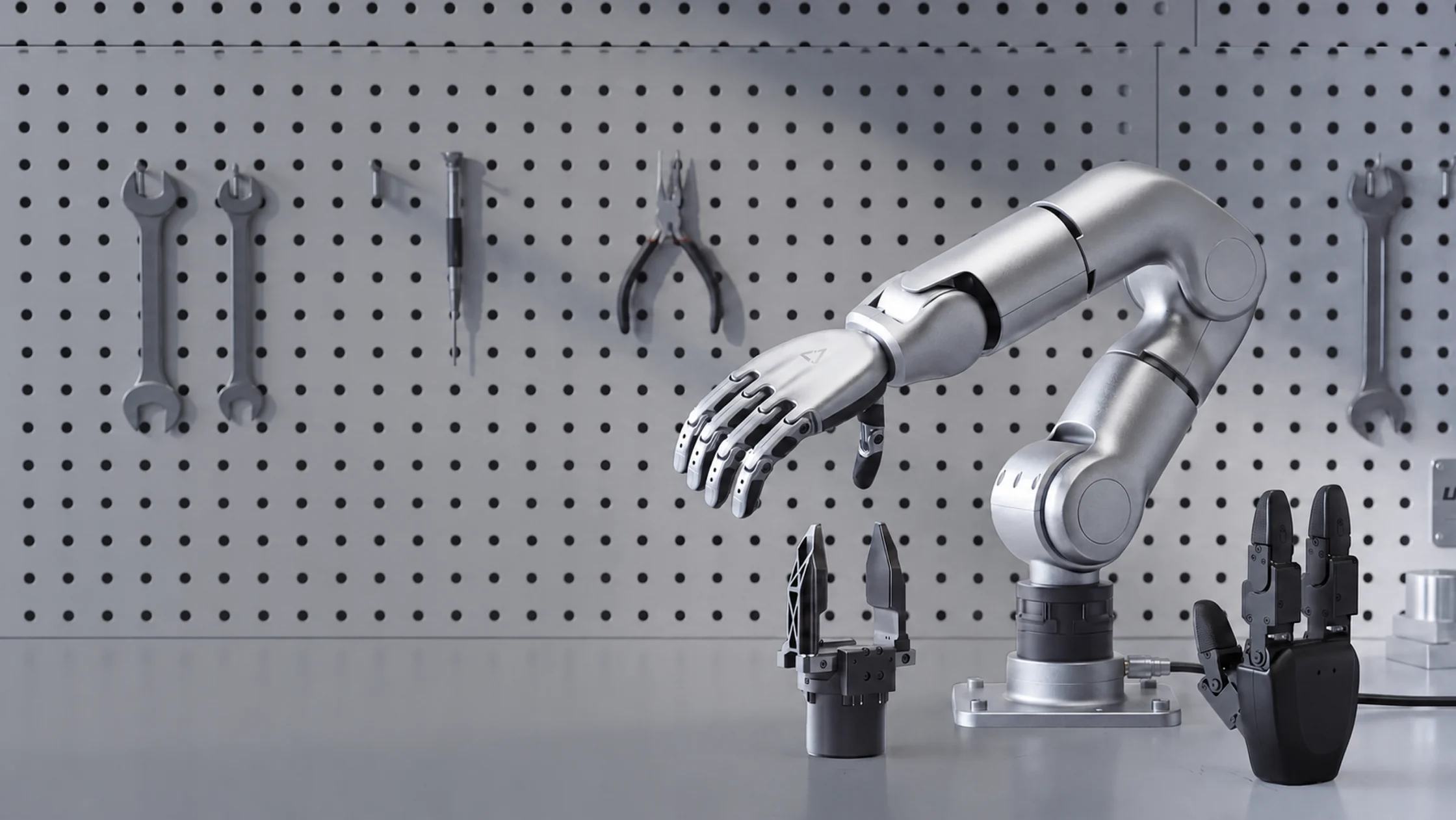
D2, a robotic arm

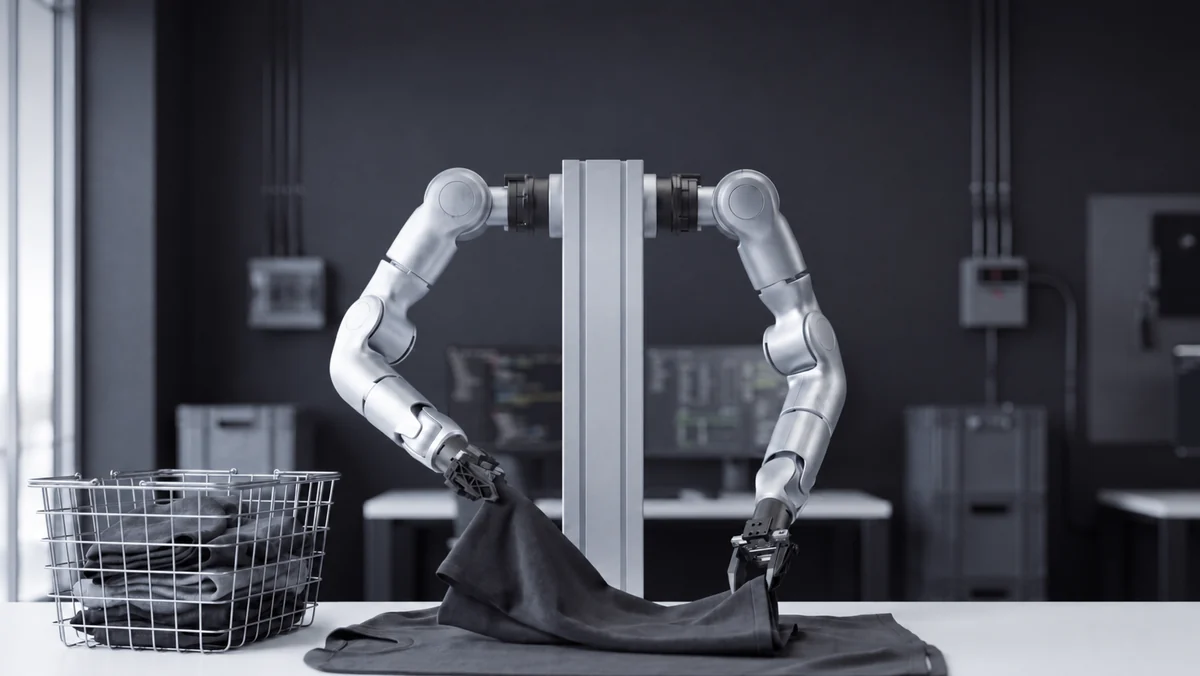
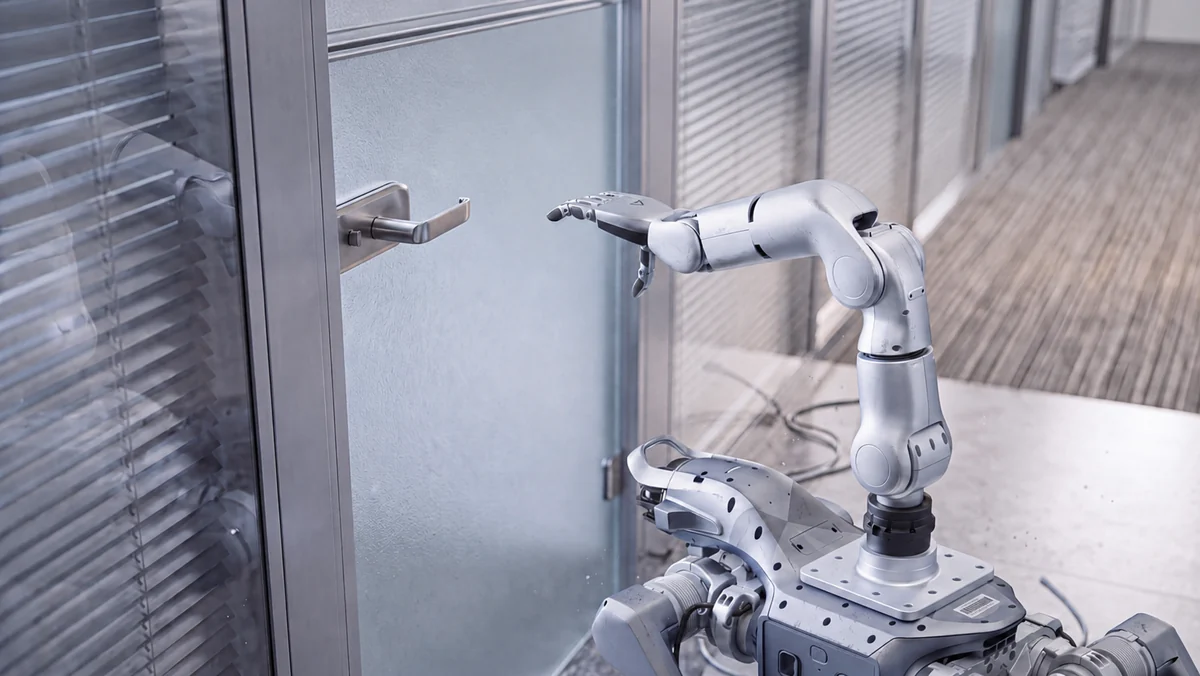
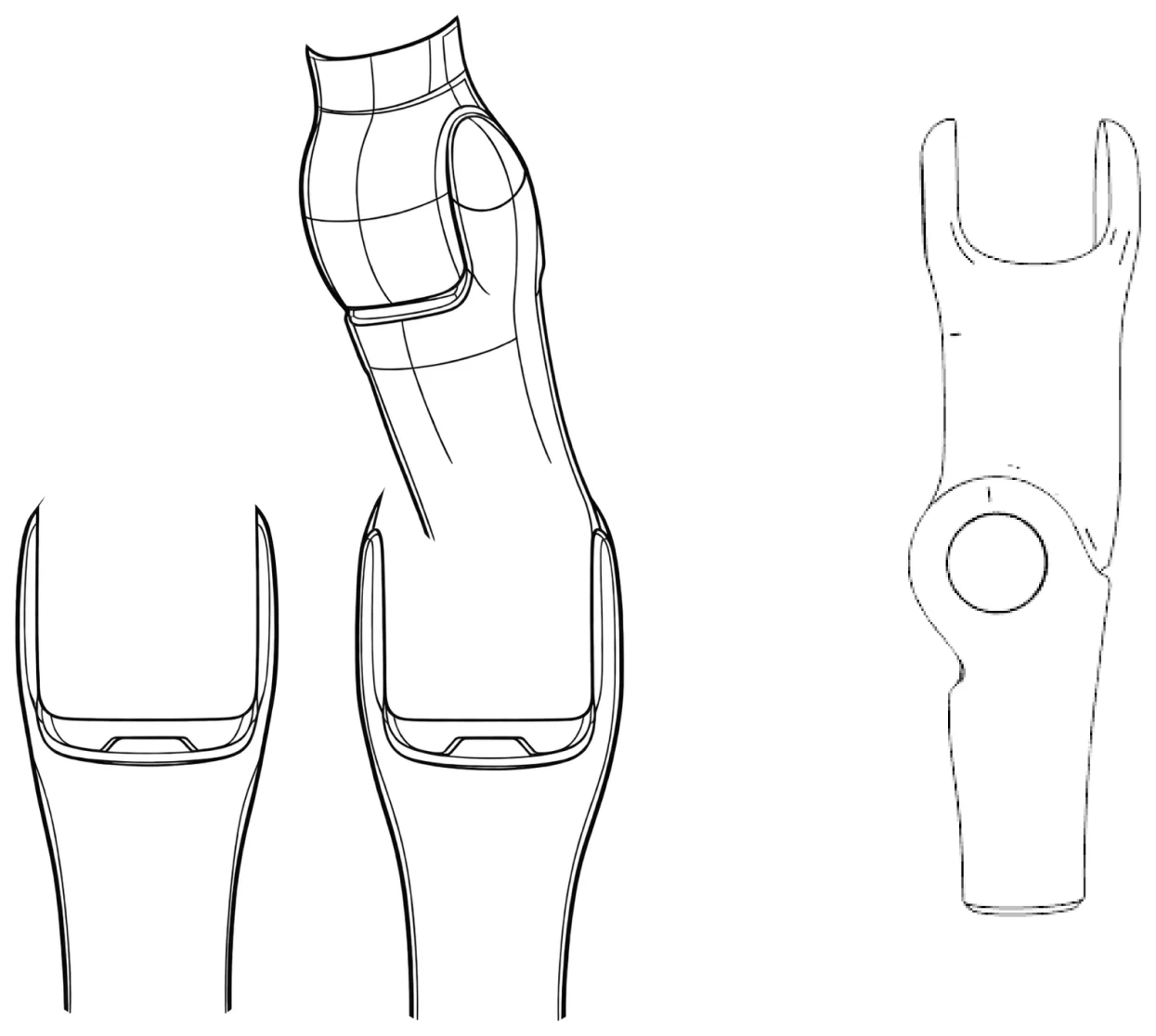
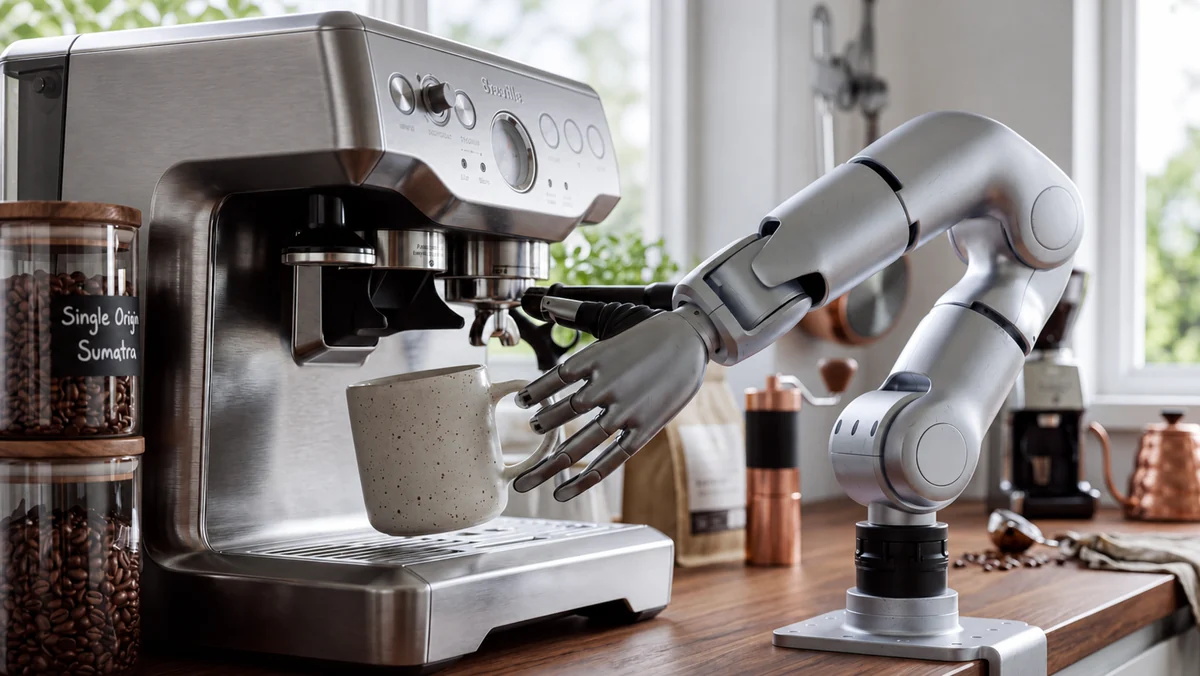
A separate project: Unitree’s all-metal robotic arm. I worked on its exterior design.

A silver D2 arm with a robotic hand at a workbench, two grippers on the table beside it

A status light

A light strip at the base shows its status.

Two arms together

Two arms can work as a pair.

Teaching by hand

Guide it by hand to teach it a move.

A D2 arm with a robotic hand holding a cup under an espresso machine
A D2 arm with a gripper holding a sample tube above a lab bench
Two D2 arms on one stand holding a shirt, a laundry basket beside them
A D2 arm mounted on a four-legged robot, its hand reaching for a door handle

7 joints + gripper · 633 mm long · carries 3 kg · weighs 5.9 kg

06 · Making

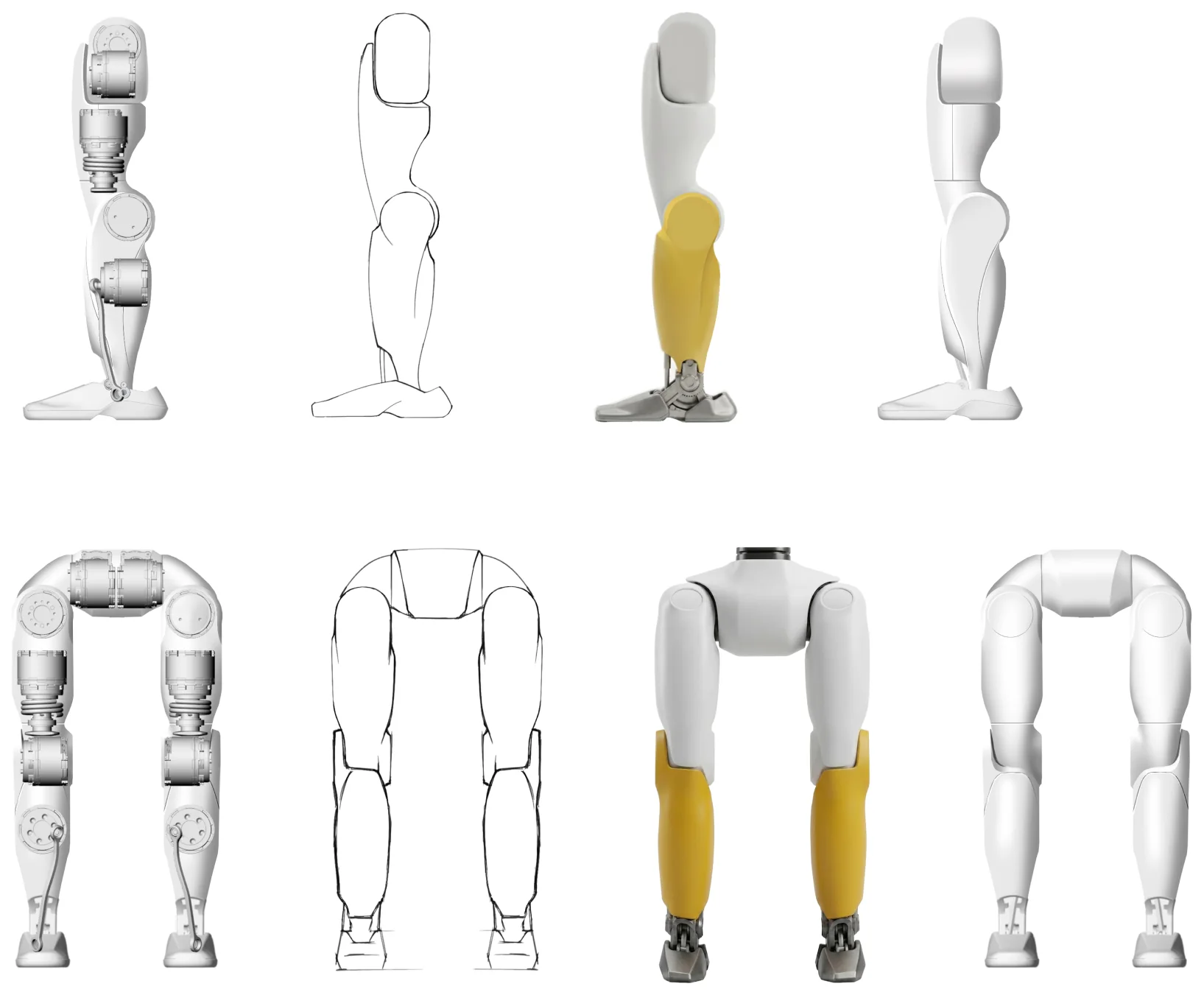
From sketches to a pre-production prototype

Early sketches of the body and limbs
Body and limb sketches
Leg and arm shell iterations
Leg and arm shells
RD95 line drawing
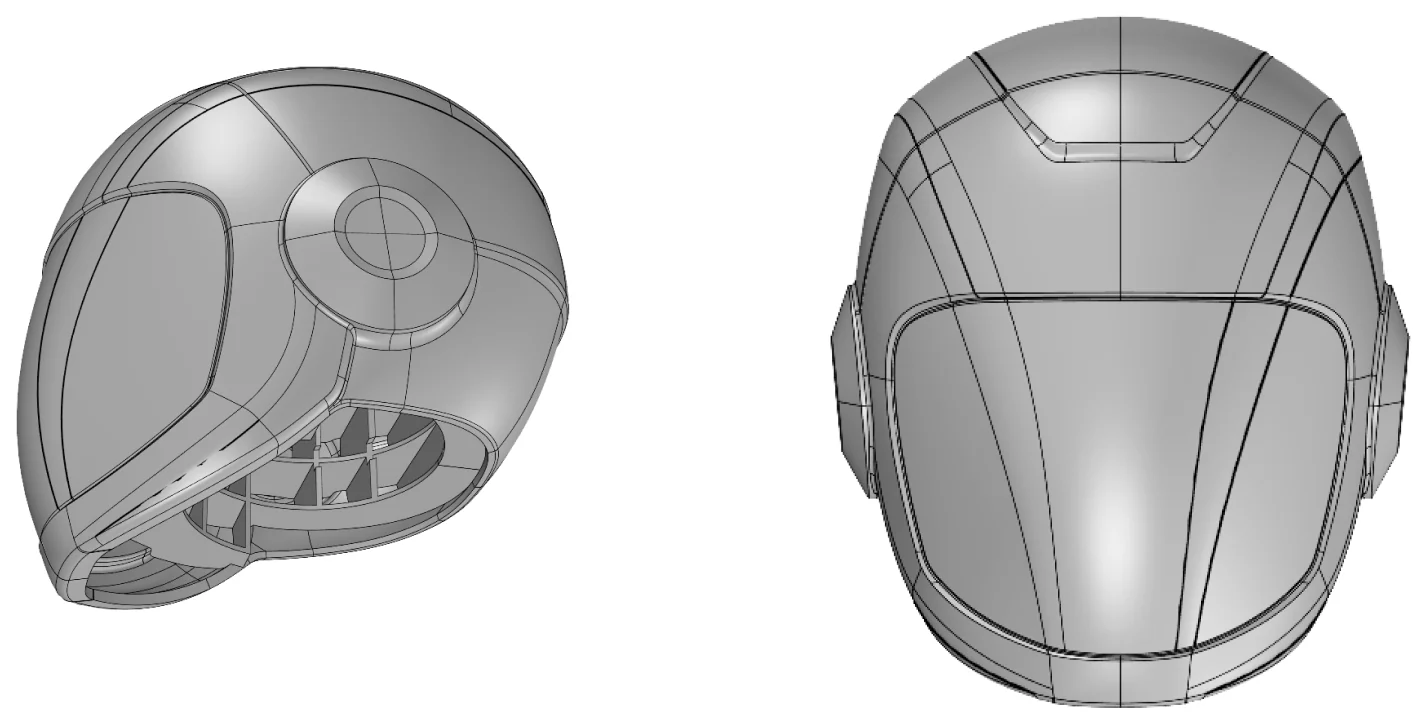
Head shell in CAD
Head shell in CAD
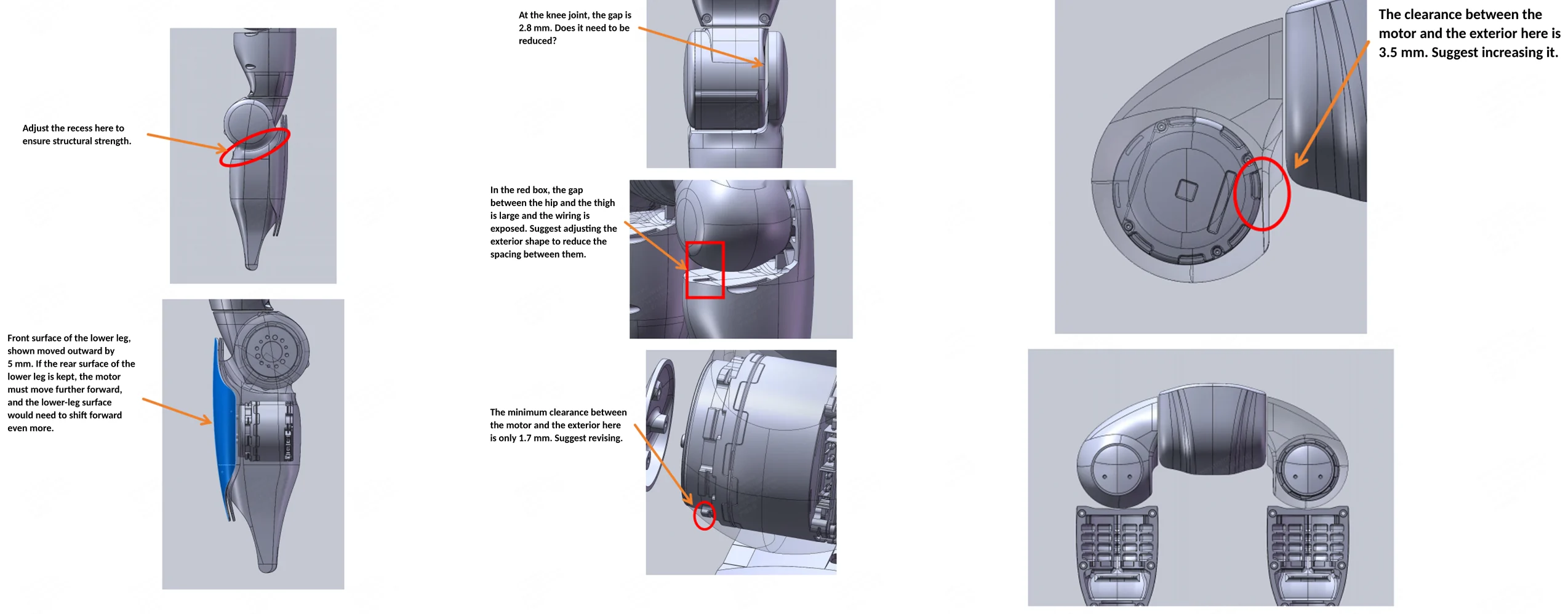
Working notes on clearances between motors and shells
Notes on fitting shells around motors
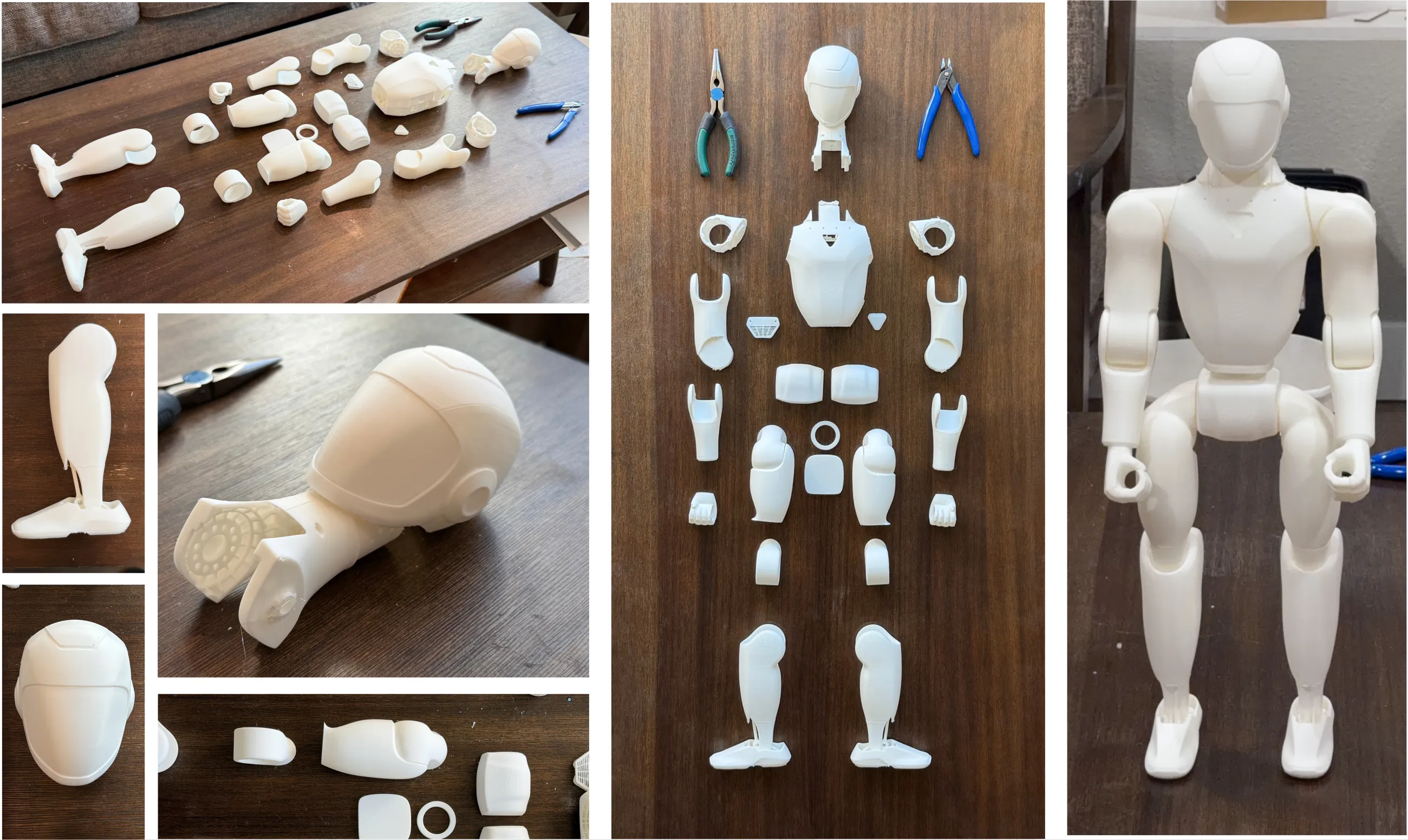
3D-printed parts and the assembled print prototype
3D-printed prototype
The pre-production prototype in the lab
Pre-production prototype

998 mm tall · 18 joints · walks 0.81 m/s · runs 1.32 m/s